
For the Good of the City: How Community Connection Is Strengthening Addiction Recovery in Wichita
Addiction recovery in Wichita is about more than overcoming substance use. It's about building relationships, restoring hope, and creating a community where no one has to walk the road to recovery alone.
Some of Wichita's biggest challenges won't be solved by one organization, one program, or one person.
They require people willing to come together.
Across Wichita, recovery advocates, service providers, community organizations, and people with lived experience are working to build stronger pathways to support individuals and families affected by addiction.
But one of the greatest opportunities isn't simply creating more programs.
It's connecting the people already doing the work.
At Lead Wichita, we believe lasting community transformation begins when people choose to lead where they are.
This October, we're highlighting the people, partnerships, and opportunities helping Wichita become a more connected, compassionate city.
Because recovery is personal. But no one should have to pursue it alone.
Join the Movement - Lead Where You Are →
Why Community Connection Matters in Addiction Recovery
Community connection can support addiction recovery by helping people build relationships, find encouragement, access resources, and develop a sense of belonging.
Recovery involves more than stopping substance use. For many people, it also means rebuilding relationships, finding purpose, developing healthy routines, and discovering a community where they feel supported. That's why connection matters.
When people have opportunities to build meaningful relationships and participate in supportive communities, they have more places to turn during difficult moments. And when recovery organizations collaborate, individuals and families may find it easier to discover the help they need.
The National Institute on Drug Abuse has reported that substance use disorder recurrence rates can be comparable to those of other chronic conditions. A return to substance use does not necessarily mean treatment has failed; it may mean treatment or ongoing support needs to be adjusted.
That understanding changes how we approach recovery.
Rather than viewing addiction as an issue for one individual or organization to solve, we can recognize the importance of ongoing care, dignity, and community support.
For Wichita, that means working together.
Join Lead Wichita for a Free Screening of SOBER on October 28

Sometimes, the most meaningful conversations begin when people experience a story together.
On Wednesday, October 28, 2026, Lead Wichita is joining The Phoenix and Suspenders4Hope for an advance screening of SOBER at Wichita State University. The documentary follows people rebuilding their lives after addiction and explores the role of joy, purpose, strength, and connection in recovery.
Following the screening, attendees will have an opportunity to hear from others, ask questions, and participate in a community conversation about addiction recovery in Wichita. Whether you're a community leader, recovery advocate, family member, service provider, or someone who simply wants to learn, this gathering offers a meaningful place to begin.
SOBER Screening Event Details
Date: Wednesday, October 28, 2026
Location: Campus Activities Center Theater, Wichita State University, Wichita, Kansas
5:30 p.m.: Reception, food, and mocktails
6:30 p.m.: Program and documentary screening
7:45 p.m.: Community Q&A discussion
8:00 p.m.: Event concludes
Admission: Free
This isn't simply an opportunity to watch a film.
It's an invitation to become part of a larger conversation about what recovery, belonging, and support can look like in our city.
Click Here to Reserve your free seat for SOBER.
Building a Stronger Addiction and Mental Health Network in Wichita
Wichita is home to people and organizations already doing important work around addiction, mental health, and recovery.
The challenge is that meaningful efforts can sometimes happen separately.
A service provider may understand a specific gap in resources. A community leader may have relationships that could help address it. Someone with lived experience may bring valuable insight into what support actually looks like.
But when these people don't know one another, opportunities for collaboration can be missed.
That's why Lead Wichita uses a network-based approach to community challenges.
Through our Addiction and Mental Health Network, we seek to help connect leaders, advocates, organizations, and people with lived experience around shared challenges and opportunities.
The goal isn't to create another silo.
It's to strengthen relationships between the people already committed to helping Wichita.
When organizations share knowledge, build trust, and collaborate, they can identify gaps, explore solutions, and support one another's work.
That's how stronger community networks begin.
Learn About Lead Wichita's Addiction and Mental Health Network →
Wichita Leaders to Know: Brendan Steinacher and the Wichita Recovery Coalition
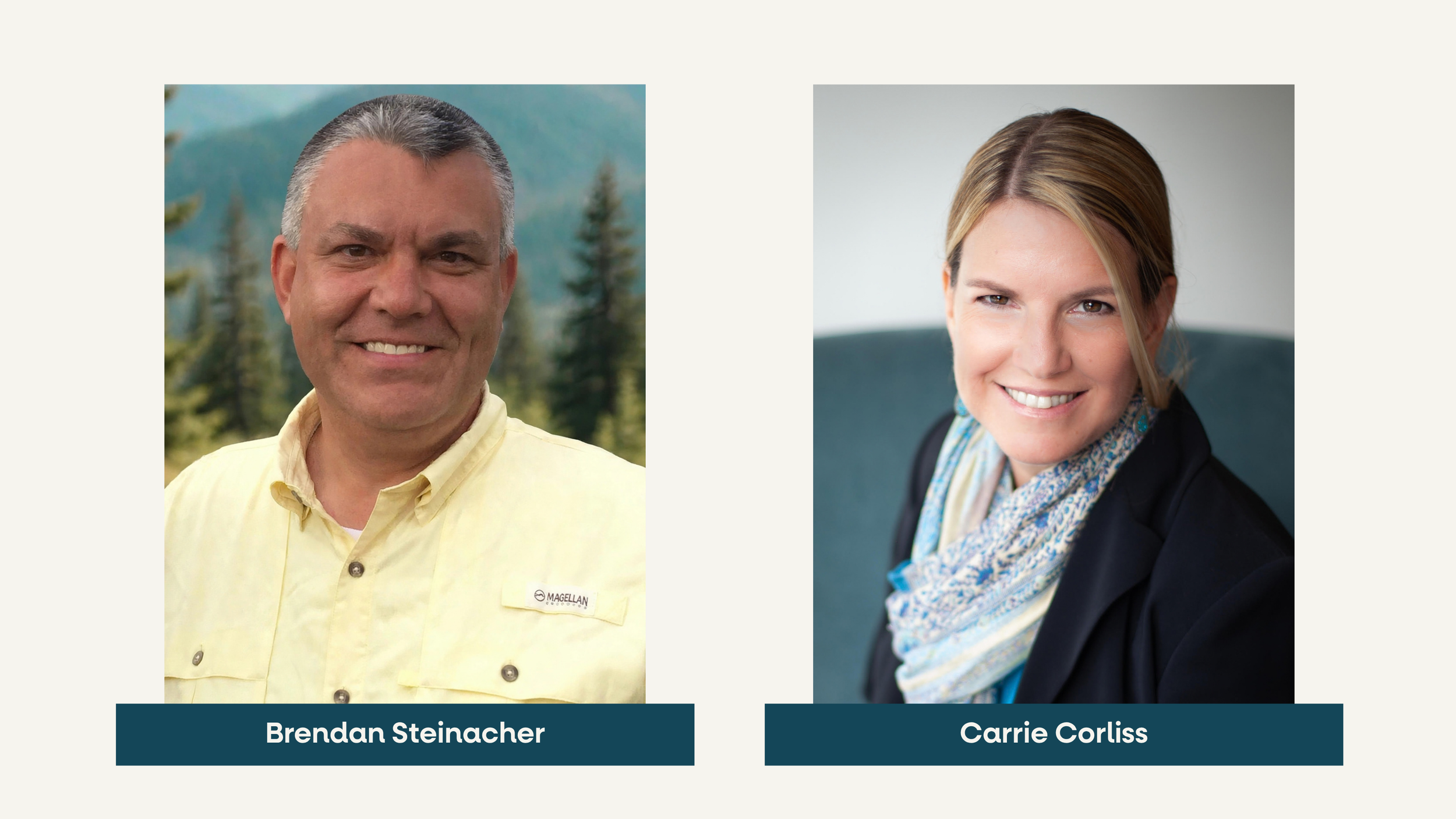
Some of the most meaningful leadership in a city happens when someone recognizes a problem and chooses to bring people together.
That's part of the work being advanced by Brendan Steinacher, Carrie Corliss, and the people involved with the Wichita Recovery Hub and Wichita Recovery Coalition.
The Wichita Recovery Coalition brings recovery advocates, service providers, organizations, and community leaders together to strengthen collaboration around substance use recovery.
Its gatherings create opportunities for participants to exchange resources, identify community needs, develop relationships, and work toward common goals.
Why does that matter?
Because addiction and recovery affect more than one part of our city.
They touch individuals, families, employers, healthcare providers, neighborhoods, and community organizations.
No single organization can meet every need.
But a connected network can create more opportunities for people to find meaningful support.
The Wichita Recovery Hub also provides opportunities for people in recovery to participate in a substance-free community, build relationships, and access activities and support.
These efforts remind us that leadership isn't always about launching something new.
Sometimes, it's about helping the right people find one another.
What Do Addiction Relapse Statistics Tell Us About the Need for Support?
Research has long recognized that recovery from substance use disorders can involve challenges and setbacks.
The National Institute on Drug Abuse has cited recurrence rates of approximately 40%–60% among people with substance use disorders, while also explaining that a return to substance use does not mean someone is incapable of recovery.
Recovery is not always a straight line.
The Phoenix, a national sober active community, has reported a 17% relapse rate in its own programming context.
While those percentages should not be treated as directly comparable measures of program effectiveness, they highlight an important reason to examine the role that ongoing relationships and supportive communities can play.
Why It Matters for Wichita
Recovery support is not the responsibility of treatment providers alone.
Community organizations, employers, families, volunteers, and local leaders can all contribute to a more welcoming and connected city.
That doesn't mean everyone needs to become an addiction specialist.
It means everyone can help create a community where dignity matters, isolation is challenged, and people know they are not alone.
Recovery is personal. Connection is powerful. Wichita has a role to play.
How Can You Support Addiction Recovery in Wichita?
You don't need to run an organization or hold a leadership title to make a meaningful difference.
Supporting recovery can begin with everyday actions.
1. Start by learning
Understand how addiction affects individuals and families. Listen to people with lived experience and learn about the organizations serving Wichita.
Attending the SOBER screening on October 28 is one opportunity to begin.
2. Build meaningful connections
Introduce people who could benefit from knowing one another.
Sometimes the most valuable thing a leader can offer is a relationship that opens the door to support or collaboration.
3. Support local recovery organizations
Explore organizations such as the Wichita Recovery Hub and The Phoenix to learn about opportunities for participation, volunteering, partnership, or giving.
4. Lead with dignity
The words we use and the way we treat people matter.
Choose language that respects individuals experiencing substance use disorders and recognizes their humanity, dignity, and capacity for recovery.
5. Find your place in the work
Wichita needs leaders in neighborhoods, workplaces, classrooms, organizations, and everyday community life.
You may already have skills, relationships, or opportunities that can help strengthen our city.
The first step is choosing to use them.
Join the Lead Wichita Movement →
Frequently Asked Questions About Addiction Recovery and Community Involvement in Wichita
Where can I find addiction recovery support in Wichita, Kansas?
Wichita has organizations and providers offering recovery-focused programs, peer support, and opportunities for community connection. The Wichita Recovery Hub is one local organization where people can explore recovery community activities and support. Treatment needs vary, so individuals seeking clinical care should consult qualified healthcare professionals or appropriate treatment providers.
What is the Wichita Recovery Coalition?
The Wichita Recovery Coalition is a collaborative network of recovery advocates, service providers, community leaders, and organizations working to improve relationships, share resources, and strengthen recovery support in Wichita.
Why is community important for addiction recovery?
Supportive communities can provide encouragement, accountability, belonging, and meaningful relationships. These connections can complement professional treatment and other recovery resources, helping people build fulfilling lives in recovery.
What is Lead Wichita's role in addiction and mental health?
Lead Wichita helps connect people and organizations working on challenges facing the city, including addiction and mental health. Its network approach emphasizes relationship-building, shared learning, and collaboration rather than duplicating existing services.
How can I get involved in making Wichita a stronger community?
Start with an issue you care about. Attend a community gathering, learn about local organizations, volunteer, or connect with one of Lead Wichita's networks. Visit the Join the Movement page to explore where your interests and relationships can make a difference.
Lead Where You Are. For the Good of the City.
Wichita doesn't become a stronger city because a few people care deeply. It happens when people across neighborhoods, organizations, industries, and communities decide to use what they have, where they are, for the good of the city.
You don't need a title.
You don't need permission.
You need a place to begin.
Maybe that begins with a conversation.
Maybe it means showing up for a community event, supporting a neighbor, connecting two organizations, or choosing to understand a challenge you haven't experienced personally.
Whatever your starting point, your leadership matters. Because the future of Wichita isn't something being built somewhere else by someone else.
We're building it together.
Inspire. Connect. Transform.
For the good of the city.
About Lead Wichita
Lead Wichita is a Wichita-based nonprofit dedicated to inspiring leaders, connecting communities, and transforming Wichita together. Through leadership development, community gatherings, and networks built around shared challenges, Lead Wichita brings people and organizations together for the good of the city.
Learn more at LeadWichita.org.